

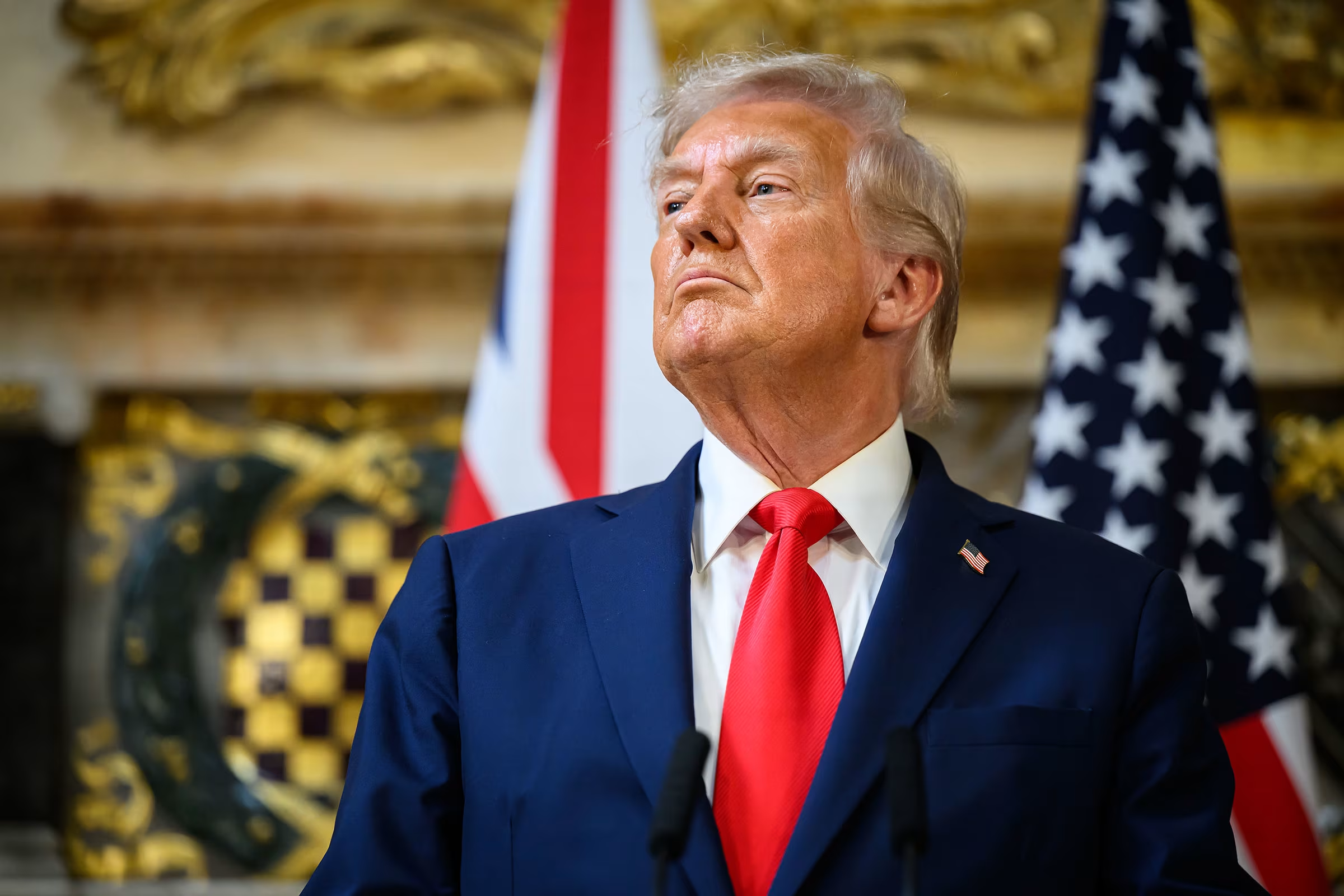
The h1b visa has long been at the center of debates over immigration, labor, and innovation in the United States. Often, stories labeled h1b news tend to focus on lottery caps, wage requirements, or employer demands. But the most recent policy proposed under trump h1b has turned heads: a sweeping change to fees that may drastically reshape who can access this crucial visa. Here’s what you need to know about the latest h-1b visa development and what it could mean for tech companies, prospective workers, and the U.S. labor market.
What’s Changing?
On September 19, 2025, the Trump administration revealed a new rule in which applicants for the H-1B visa will face an annual fee of $100,000. This isn’t a one-time application fee; rather, the proposed requirement is for every year that the visa holder is employed under the program. Reuters+2AP News+2
This fee is a dramatic increase from the current processing fees, which are much smaller and typically associated only with application costs. AP News+1
Why the Change?
According to the administration, this move aims to accomplish a few goals:
-
Protect American workers by discouraging companies from hiring underpaid foreign workers in roles that Americans could fill. AP News+2Reuters+2
-
Limit exploitation of the H1B program, which some critics argue has been used to replace U.S. labor with cheaper foreign labor, particularly in entry-level tech or specialty roles. Reuters+2Politico+2
-
Refocus the H-1B visa program on highly skilled or very specialized workers, making sure that those who do apply are bringing exceptional skills, credentials, or value. The higher fee is seen as a gatekeeper to ensure only candidates who truly meet high thresholds participate. AP News+1
Potential Impacts
This proposed change in H1B policy could ripple across several sectors:
-
Tech industry disruption: Companies heavily dependent on foreign skilled labor might find it harder or more expensive to recruit talent abroad. Startups and smaller firms may struggle more than large corporations. Reuters+1
-
Talent shortages: The U.S. may see reduced inflow of foreign graduates in STEM fields, potentially impacting research, innovation, and competitiveness. CBS News+1
-
Increased cost burden: Employers or visa holders will need to absorb or pass on what could be a six-figure yearly cost. That could discourage many from even applying. AP News+1
-
Legal and regulatory challenges: Critics argue the administration may lack the authority to impose such high fees without Congressional approval. Questions about due process and fairness in the visa system are likely to arise. Reuters+1
What to Watch For
If you’re following this h1b visa story, here are key developments to track:
-
Finalization of the fee – whether the $100,000/year amount becomes law, is modified, or blocked.
-
Prevailing wage revisions – when and how wage requirements change under this policy. Politico+1
-
Responses from industry – big tech firms, universities, and startups will likely push back or lobby for exemptions.
-
Court challenges – legal actions could delay or prevent implementation.
Bottom Line
This newest h1b policy represents perhaps one of the boldest h1b news stories in years. With the proposed $100,000 annual fee, the trump h1b move is clearly designed to reshape the H-1B visa, shifting its focus toward only the highest-skilled foreign nationals and placing new financial and regulatory barriers on others.
For prospective applicants, employers, and anyone invested in U.S. immigration or tech industries, staying informed is more important than ever. The evolution of the h-1b visa system isn’t just about numbers—it’s about who will have access, under what conditions, and what it means for America’s talent pipeline moving forward.


0 Comments